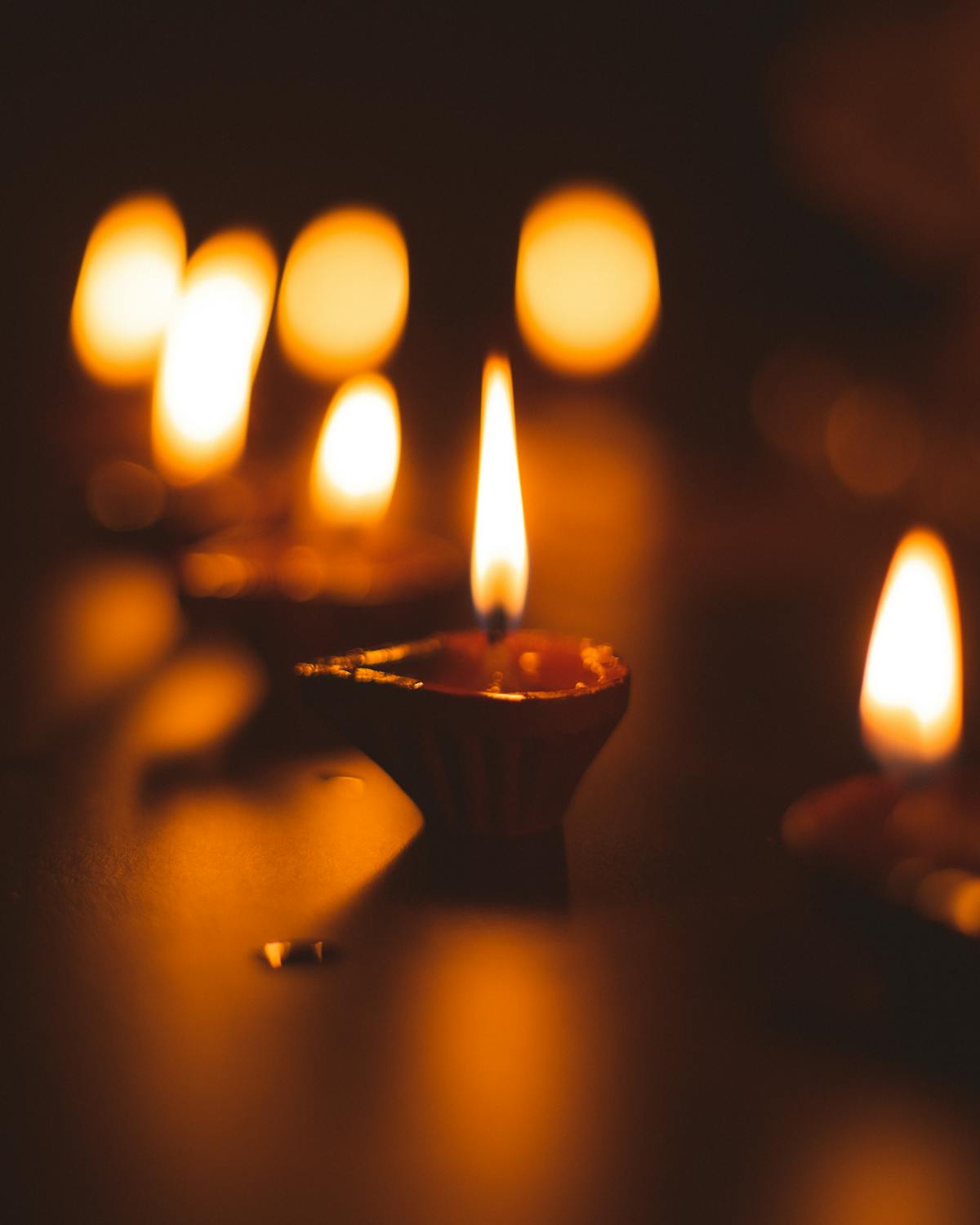
The Satyanarayan Katha is one of India's most beloved and widely performed rituals, dedicated to Lord Vishnu in his form as Satyanarayan — "the true, imperishable one." Families perform it to mark happy occasions, seek blessings before new beginnings, or simply as an act of gratitude.
Why Families Perform It
The Katha is often performed on full moon days (Purnima), after the fulfilment of a wish, on birthdays and anniversaries, or before starting a new venture. Its central story — recited by the pandit — reminds listeners of the value of honesty, gratitude, and keeping one's promises to the divine.
How to Prepare Your Home
- Clean the puja area thoroughly and set up a small mandap or decorated altar.
- Keep a low wooden seat (chowki) covered with a fresh cloth for the idol or picture of Vishnu.
- Arrange for panchamrit and prasad ingredients — bananas, ghee, milk, and wheat flour for the traditional sheera.
- Invite family and neighbours; the katha is traditionally heard together, seated on the floor.
What to Expect on the Day
The pandit begins with a Sankalp (statement of intent), followed by invocation of Ganesha and Navagraha shanti, and then the recitation of the five chapters of the Satyanarayan Katha. The ceremony concludes with aarti and distribution of prasad — most commonly the sweet sheera (halwa) offered to Vishnu.
Booking Tips
A Satyanarayan Katha typically takes around two hours, though the full experience with prasad preparation can extend to half a day. Most bookings on YagyaSeva include samagri, so you'll only need to arrange fresh fruit and the prasad ingredients your pandit specifies in advance.