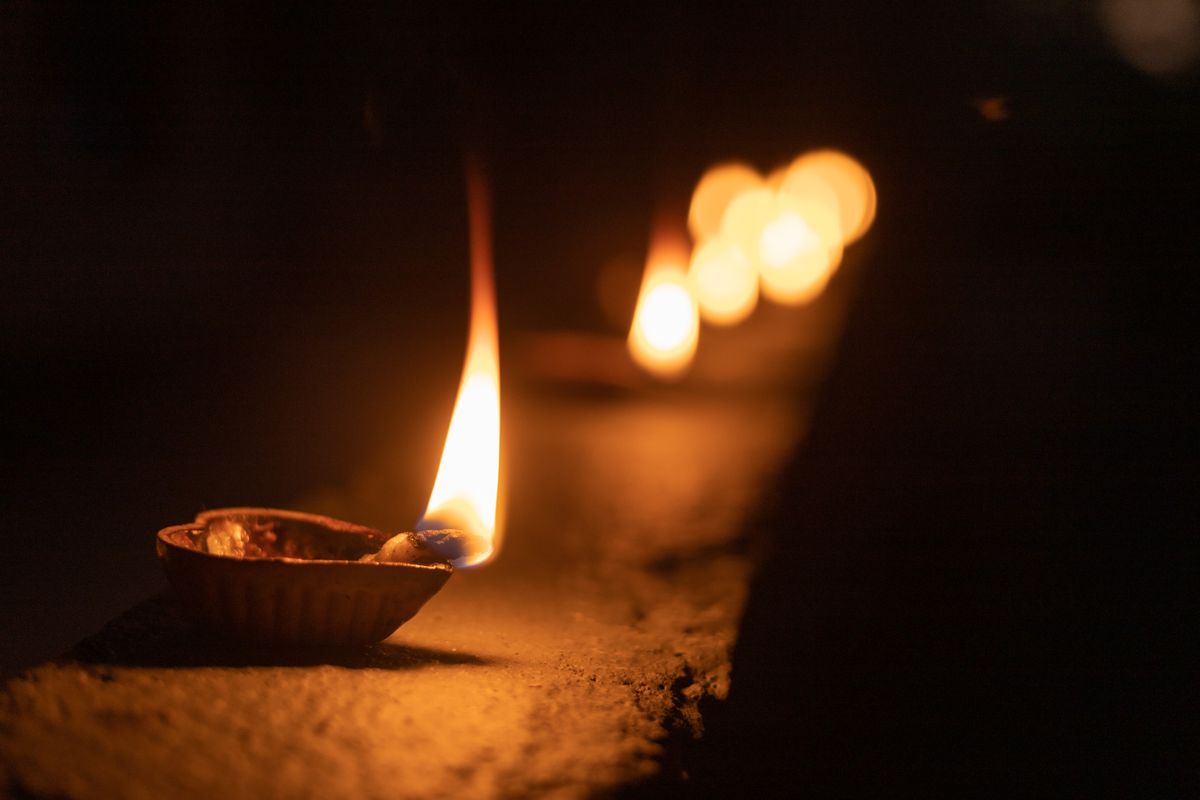
Pitru Paksha is a 16-day period in the Hindu lunar calendar dedicated to honouring one's ancestors (Pitrs). Falling in the Krishna Paksha of the month of Ashwin, it's considered a time to express gratitude and offer peace to those who came before us.
Why It's Observed
Hindu tradition holds that ancestors continue to watch over their descendants, and that performing Shraadh rituals during this period helps them attain peace (Pitru Dosh Nivaran) while also blessing the living family with prosperity and harmony.
Key Rituals of the Period
- Shraadh — a ceremony performed on the specific tithi (lunar date) that matches the ancestor's passing, involving offerings and a ritual meal for Brahmins.
- Tarpan — a water offering ritual, performed facing south, invoking the names of ancestors up to three generations.
- Pind Daan — offering of rice balls (pindas), symbolically representing nourishment for the departed soul.
Choosing the Right Tithi
If you don't know the exact date of an ancestor's passing, Sarva Pitru Amavasya — the final day of Pitru Paksha — is considered suitable for honouring all ancestors collectively.
What to Donate
Common donations during this period include sesame seeds, rice, black lentils, clothing, and food for the needy. Feeding crows, cows, and dogs is also considered an important part of the ritual, as they're believed to represent messengers to the ancestral realm.
Planning Ahead
Because Pitru Paksha is a widely observed period, pandits and priests can be booked out quickly, especially around Sarva Pitru Amavasya. It's worth confirming your date and required samagri at least a week in advance.