Diwali, the festival of lights, centres around Lakshmi Puja — the worship of Goddess Lakshmi, bringer of wealth and prosperity, along with Lord Ganesha, remover of obstacles. Getting the muhurat right is considered essential for the blessings to take full effect.
Why Muhurat Matters
Lakshmi Puja is traditionally performed during Pradosh Kaal — the period just after sunset — when Amavasya tithi (new moon) prevails. Your pandit will confirm the exact window for your city, since sunset times and tithi transitions vary by location each year.
Preparing Your Home
- Deep-clean the house in the days leading up to Diwali — clutter is believed to block Lakshmi's entry.
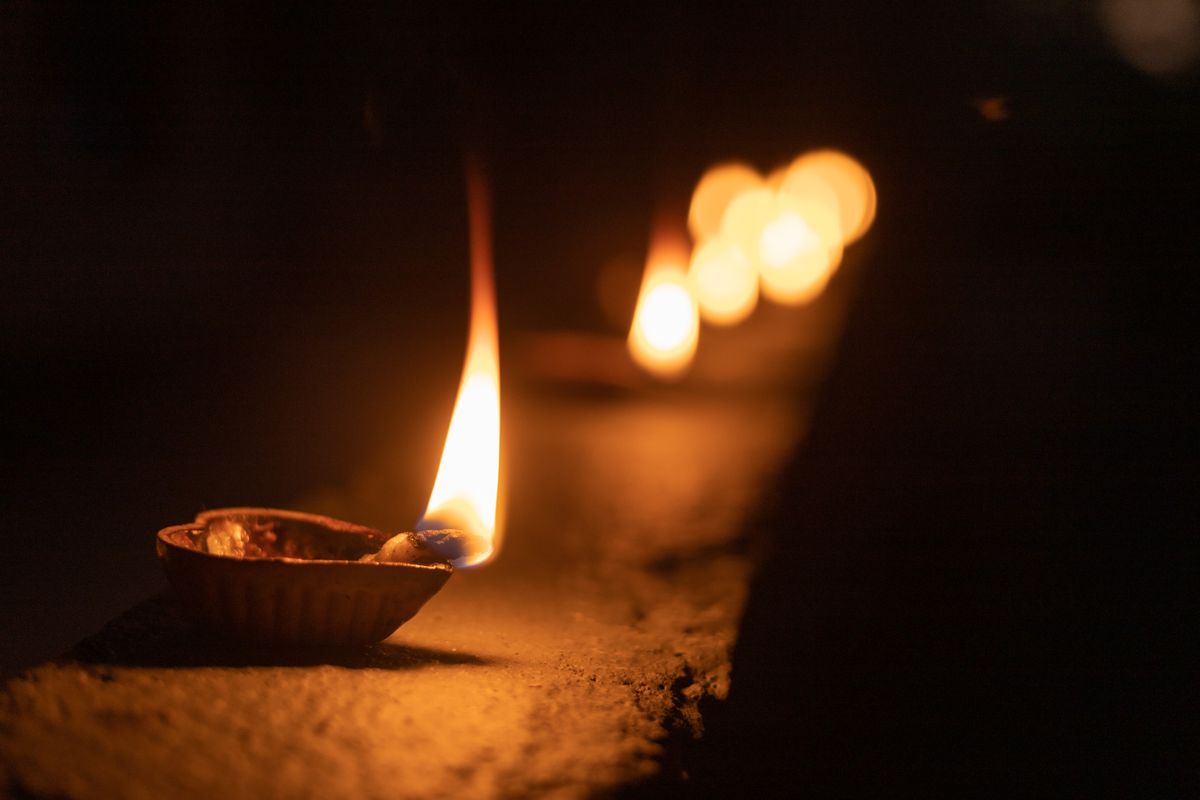
- Set up rangoli at the entrance and light diyas along windowsills and doorways.
- Place a fresh cloth on the puja chowki with idols or pictures of Lakshmi and Ganesha.
- Keep coins, a small amount of new currency, or gold/silver jewellery near the altar as a symbol of wealth.
What the Puja Includes
The ceremony typically opens with a Ganesh Vandana, followed by Kalash Sthapana, invocation of Lakshmi, offering of sweets and lotus flowers, and a concluding aarti. Many families also perform a small Kuber Puja alongside, to invite the blessings of the god of wealth.
After the Puja
Once the aarti concludes, it's customary to keep the diyas burning through the night and to distribute prasad among family members. Many households also light a diya near the money or account books as a mark of respect toward one's livelihood.